
 English


Surgical Instrument RFQ Revision Control Guide
Hospital procurement and clinical engineering guide for controlling surgical instrument RFQ revisions, ASTM F899 metallurgy compliance, and CSSD autoclave validation.
Hospital procurement and clinical engineering guide for controlling surgical instrument RFQ revisions, ASTM F899 metallurgy compliance, and CSSD autoclave validation.
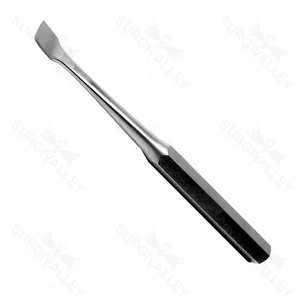
Learn how to compare Cobb elevators by catalogue reference, length, working-end design, form and handle style, then turn those details into a clear RFQ and receiving checklist.
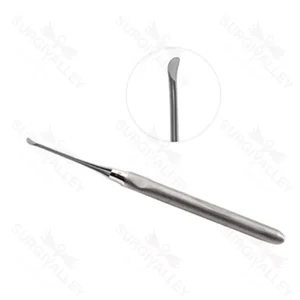
Learn why ring and traditional curette labels can be ambiguous, which specifications support a like-for-like comparison, and what to include in a precise procurement RFQ.
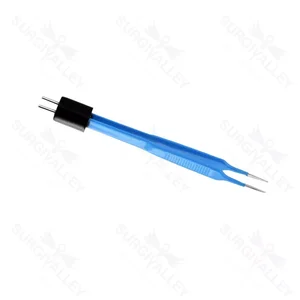
Learn how to compare bipolar and diathermy forceps by terminology, geometry, dimensions, documentation, reprocessing status, compatibility evidence and catalogue control.
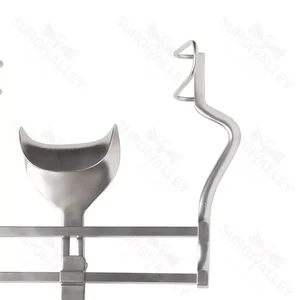
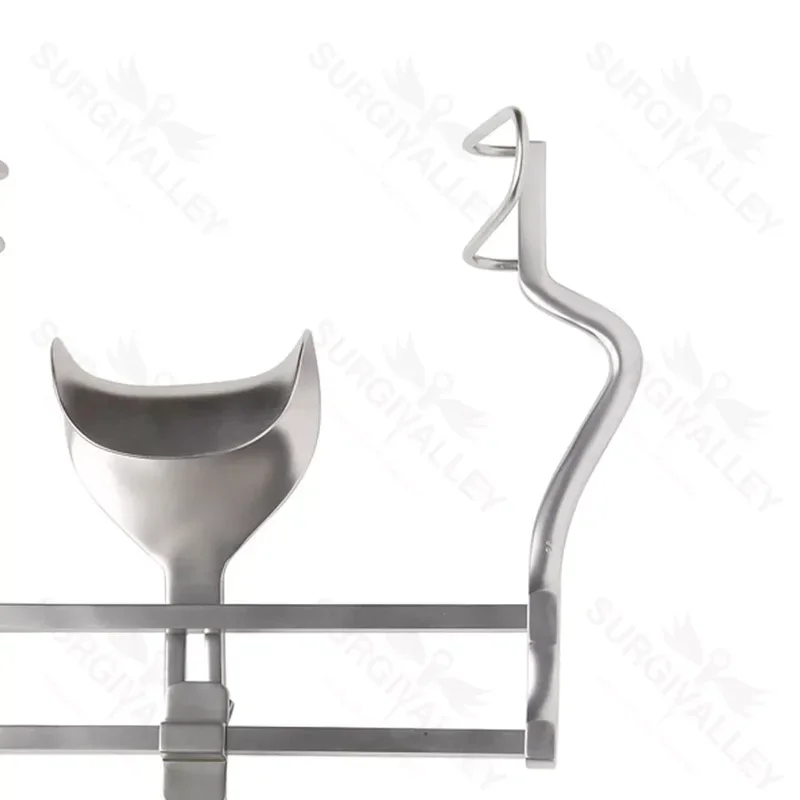
Learn how to distinguish right-angle retractor geometry from a named pattern and compare configuration, blade dimensions, length, handle form and catalogue references in an RFQ.
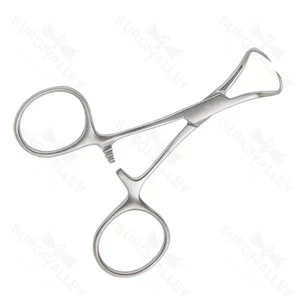
Moynihan forceps is an ambiguous eponym, not one universal instrument pattern. This guide compares documented catalog examples and gives procurement teams a practical RFQ verification checklist.
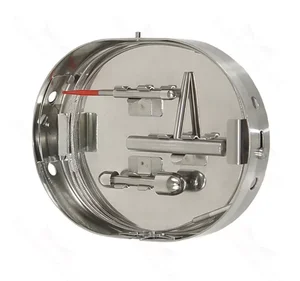
Learn how to compare Hegar and Pratt cervical dilator sets by sizing, configuration, reference numbers, documentation, replacement matching and receiving requirements.

A practical specification framework for recording surgical instrument size, working-end geometry, handle style and mechanism without ambiguity.

A practical method for normalizing set lists, identifying substitutions and comparing surgical instrument set quotations line by line.

A procurement guide to the specification, handling demands, inspection and set planning of common reusable orthopedic hand instruments.