
 中文 (中国)


Neurosurgical Instruments by Family
A Range Built Around Surgical Function
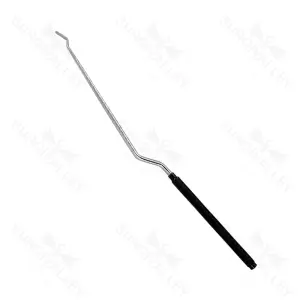
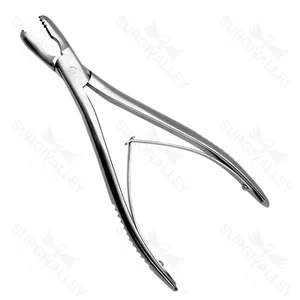
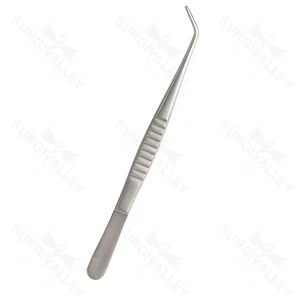
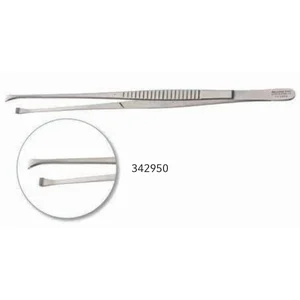
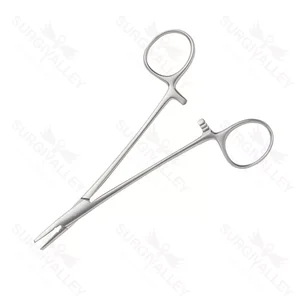
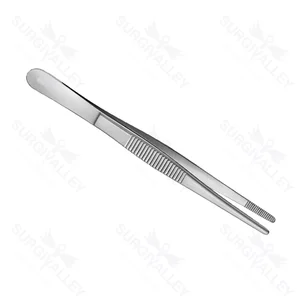
Neurosurgical Instruments are used by clinical professionals working with the delicate structures of neural anatomy. The category brings together functional families rather than one uniform instrument type. Curettes and spoons are associated with controlled contact and removal, while elevators and osteotomes address lifting or separating tasks. Dissectors, hooks and probes support careful tissue orientation and access. Forceps, clamps and needle holders provide grasping, holding and manipulation roles. Retractors and spreaders relate to exposure, while rongeurs, gouges and saws represent removal or shaping functions. Speculum, distractors and separators add further approaches to maintaining access or positioning.
Distinguish Function, Form and Handling
Start with the task an instrument family performs, then compare the individual design details that affect control. Consider whether the instrument is intended for grasping, exposure, separation, probing or removal, and examine tip profile, jaw action, working length and handle form. Within forceps, retractors and rongeurs, these differences can be more meaningful than the family name alone.
- Match curettes, spoons, elevators or osteotomes to the intended contact and separation function.
- Compare dissectors, hooks and probes by access needs and the control their working ends provide.
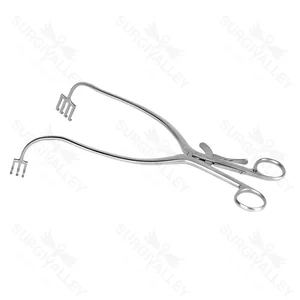
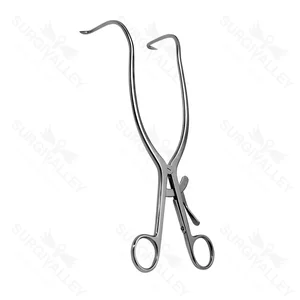
- Assess retractor and spreader forms according to exposure, positioning and available working space.
- Use product references and quantities when preparing a focused quotation for the required instrument families.
Browse the Neurosurgical Instruments catalogue
Open the live category to review the complete range and current product details.
Selected 神经外科器械 products
Turn your shortlist into a quote request
Share item references, quantities and purchasing context so the enquiry reaches the team with useful detail.