
 English


Guide for clinical and procurement teams on specifying Israel retractors. Covers AISI metallurgy standards, ISO 13485 compliance checks, atraumatic design principles, and autoclave durability for institutional sourcing.
Selecting the right surgical retractor requires balancing clinical performance with procurement efficiency. The Israel retractor pattern is widely used in general surgery for its specific geometry and handling characteristics. However, ensuring long-term value demands a rigorous approach to material specification and regulatory verification.
This guide provides a framework for clinical teams and procurement officers to evaluate Israel retractors. We examine metallurgical standards, atraumatic design features, and lifecycle economics. Understanding these factors helps institutions avoid premature instrument failure and ensure patient safety through compliant sourcing.
Clinical Applications and Atraumatic Design Principles
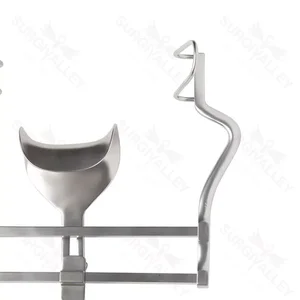
The Israel retractor is primarily designed for deep abdominal exposure during general surgical procedures. Its curved blade profile allows for effective tissue retraction while minimizing pressure points that could cause trauma. Clinical teams must verify that the instrument’s geometry aligns with their specific procedural requirements to ensure optimal visibility without compromising tissue integrity.
Atraumatic handling is critical in reducing post-operative complications. The edge finish and tip configuration of high-quality Israel retractors are engineered to glide smoothly over tissues rather than cutting or crushing them. Procurement specifications should explicitly require smooth, polished edges and validated tip geometries to support this clinical objective.
- Verify blade curvature matches standard abdominal exposure needs.
- Inspect edge polish to ensure atraumatic tissue interaction.
- Confirm handle ergonomics reduce surgeon fatigue during prolonged use.
Metallurgy Standards: AISI Grades and Corrosion Resistance
Material composition directly impacts an instrument’s durability and resistance to sterilization cycles. Most reusable surgical instruments, including Israel retractors, are manufactured from AISI 420 stainless steel. This grade offers a balance of hardness, corrosion resistance, and cost-effectiveness suitable for repeated autoclave processing.
However, not all AISI 420 steels are created equal. Variations in heat treatment and passivation protocols can significantly affect longevity. Procurement teams should request documentation confirming the specific alloy composition and surface treatment processes. Proper passivation ensures a uniform chromium oxide layer, which protects against pitting and rust during high-temperature sterilization.
- Require confirmation of AISI 420 stainless steel composition.
- Ask for details on heat treatment and hardening processes.
- Verify passivation protocols to ensure corrosion resistance.
Regulatory Compliance: ISO 13485 and CE Class I Requirements
Sourcing medical devices requires strict adherence to international quality management standards. ISO 13485 certification demonstrates that a manufacturer maintains a consistent quality system throughout the product lifecycle. For Israel retractors, this ensures traceability from raw material intake to final packaging, reducing the risk of defective units entering the clinical environment.
In many markets, CE marking under Class I regulations is mandatory for non-invasive or minimally invasive instruments. While retractors are often considered low-risk, they still fall under specific regulatory categories depending on their intended use and contact duration. Buyers must validate that suppliers provide current declarations of conformity and technical files relevant to the target jurisdiction.
- Check for valid ISO 13485 certificates from accredited bodies.
- Verify CE Class I compliance documentation for the destination market.
- Ensure traceability records are available for batch-level audits.
Autoclave Longevity and Reprocessing Protocols
Reusable instruments undergo significant stress during steam sterilization. High temperatures and humidity can degrade metal surfaces if the initial material quality or finishing is inadequate. Israel retractors must withstand hundreds of autoclave cycles without losing structural integrity or developing surface defects that harbor bacteria.
Proper reprocessing protocols extend instrument life. Manufacturers should provide clear instructions on cleaning, drying, and lubrication before sterilization. Neglecting these steps accelerates wear, leading to increased replacement costs and potential clinical risks. Institutions should track cycle counts per instrument to predict maintenance needs and retirement timelines accurately.
- Follow manufacturer guidelines for pre-sterilization cleaning.
- Monitor instrument condition after every 50-100 cycles.
- Replace instruments showing signs of pitting or deformation.
Procurement Economics: Total Cost of Ownership Analysis
Initial purchase price is only one component of total cost of ownership (TCO). Cheaper instruments may fail sooner, requiring frequent replacements and increasing labor costs for inspection and repair. A robust TCO analysis considers acquisition cost, expected lifespan, maintenance requirements, and disposal expenses.
For Israel retractors, investing in higher-grade materials and verified manufacturing processes often yields better long-term value. Reliable instruments reduce downtime and ensure consistent clinical performance. Procurement teams should weigh these factors against budget constraints, prioritizing quality assurance to minimize hidden operational costs over the instrument’s lifecycle.
- Calculate cost-per-use based on estimated cycle life.
- Factor in inspection and maintenance labor hours.
- Compare warranty terms and replacement policies across suppliers.
Strategic Sourcing for Sustainable Instrument Performance
Effective sourcing of Israel retractors requires integrating clinical needs with rigorous procurement standards. By focusing on AISI metallurgy, ISO 13485 compliance, and atraumatic design, institutions can secure instruments that perform reliably over extended lifecycles. This approach minimizes risks associated with tissue trauma and premature instrument failure.
Next, review your current supplier contracts against these criteria. Ensure that RFQs explicitly demand documentation for material grades and sterilization validation. Aligning procurement practices with clinical expectations safeguards both patient outcomes and operational efficiency.
Frequently asked questions
Why is AISI 420 stainless steel preferred for Israel retractors?
AISI 420 stainless steel is chosen for its optimal balance of hardness and corrosion resistance. It withstands the thermal stress of repeated autoclave cycles while maintaining the structural integrity needed for effective tissue retraction. Proper heat treatment and passivation further enhance its durability against pitting and rust.
How does ISO 13485 certification benefit hospital procurement?
ISO 13485 certification assures that the manufacturer follows a standardized quality management system. This guarantees consistency in production, traceability of materials, and controlled processes. For hospitals, it reduces the risk of receiving defective instruments and simplifies compliance audits by providing documented evidence of quality control.
What key elements should be included in an RFQ for Israel retractors?
An effective RFQ should specify the required AISI grade, confirm ISO 13485 and CE compliance status, and detail expected autoclave cycle life. It must also request information on edge finishing for atraumatic handling and outline inspection criteria for incoming goods to ensure alignment with clinical standards.
How do atraumatic design features impact patient outcomes?
Atraumatic designs minimize tissue damage during retraction by using smooth edges and optimized blade geometry. This reduces the risk of bleeding, bruising, and post-operative pain. Clinically, it supports faster recovery times and lowers the incidence of complications related to mechanical tissue injury.
Featured Instruments & Sourcing Specifications
Explore hospital-grade surgical instruments and procedural specifications related to this clinical guide. Direct factory RFQ and bulk container orders available.
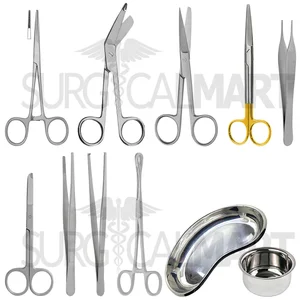
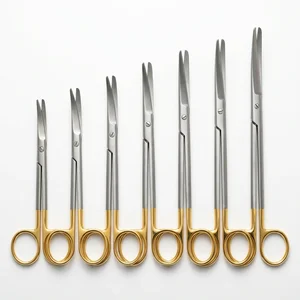
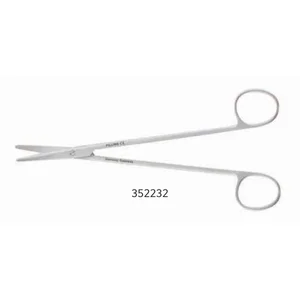
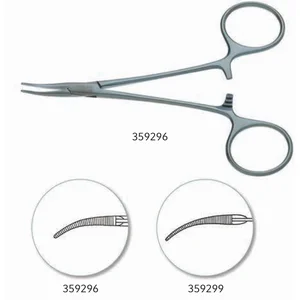
Selected Retractor System Sets products
Related Clinical Guides & Technical Sourcing:
- • Surgical Retractors Explained: Handheld, Self-Retaining and Table-Mounted Systems
- • How to Compare Right-Angle Retractor Patterns Before an RFQ
- • How to Prepare a Surgical Instrument RFQ That Produces an Accurate Quote
- • Explore Surgivalley Abdominal & Table-Mounted Retractor Systems
- • Explore Custom Laparotomy & Abdominal Surgical Trays
- • Request Institutional Technical Quotation & OEM Sourcing Catalogue →
Israel Retractor Sourcing & Sizing Specifications
Hospital procurement officers, surgical leads, and regional supply chain managers can review technical specifications, passivation certificates (ASTM F899 / ISO 13485:2016), and institutional quotation terms across the official Surgical Retractors & Self-Retaining Systems catalog.
Related Posts
Oct 28, 2026 by Dr. Rachel Moore