
 English


Learn how clinical teams specify right angle hook geometry, verify stainless steel metallurgy, assess atraumatic handling, and evaluate autoclave longevity for institutional procurement.
Selecting the correct right angle hook requires balancing precise working-end geometry with durable material science. Clinical teams must define specific patterns to ensure atraumatic tissue handling while procurement departments need verifiable evidence of steam sterilization durability. This guide outlines the decision framework for specifying these instruments effectively.
Beyond initial purchase price, institutional value depends on lifecycle economics and compliance documentation. Buyers should request clear metallurgical verification and quality-system records to mitigate corrosion risks during repeated autoclave cycles. Understanding these factors helps align surgical needs with sustainable supply chain practices.
Define Clinical Need and Right Angle Hook Pattern
The primary driver for instrument selection is the specific procedural requirement. A right angle hook is typically used for retraction or manipulation where access is limited by surrounding anatomy. Teams must identify whether the task requires a single-pronged hook for delicate separation or a multi-pronged design for broader tissue engagement. The pattern choice directly influences the ergonomic load on the surgeon’s hand and the potential for tissue trauma.
Standardization across specialties often fails because generic hooks do not address niche anatomical constraints. For instance, ophthalmic procedures demand finer tips than general abdominal retractors. Procurement teams should collaborate with lead surgeons to map common procedure types against existing inventory gaps. This ensures that new acquisitions fill functional voids rather than duplicating underutilized stock.
- Identify if the hook is for retraction, dissection, or palpation.
- Determine if single or multiple prongs are required for tissue stability.
- Assess if the angle needs to be fixed or adjustable for deep cavities.
- Review current inventory to avoid redundant pattern purchases.
Specify Geometry, Tip Design and Working Length
Working-end geometry dictates the instrument's utility in confined spaces. The angle of the hook relative to the shaft determines reach and visibility. A sharper angle may offer better leverage but can obscure the line of sight if not properly aligned with the handle. Tip design is equally critical; rounded tips minimize accidental puncture, while sharper points facilitate precise grasping. The transition from tip to shaft should be smooth to prevent snagging on sutures or gloves.
Working length must correspond to the depth of the target site. Excessive length reduces control and increases torque on the wrist, while insufficient length prevents adequate exposure. When specifying these dimensions, include tolerance ranges in the request for quotation. This allows suppliers to provide instruments that fit within acceptable manufacturing variances without compromising clinical performance.
- Measure the required reach from the incision site to the target tissue.
- Specify tip radius to balance precision with atraumatic safety.
- Define shaft diameter to ensure compatibility with existing handles.
- Request dimensional tolerances to account for manufacturing variance.
Evaluate Metallurgy, Finish and Atraumatic Handling
Material integrity is paramount for surgical instruments subjected to harsh cleaning agents and high heat. Most right angle hooks are manufactured from austenitic stainless steels, such as AISI 304 or 316L. These grades offer a balance of corrosion resistance and mechanical strength. However, the surface finish plays a significant role in both hygiene and tissue interaction. A polished finish reduces bacterial adhesion and facilitates cleaning, whereas a matte finish might reduce glare under operating lights but can trap debris if not properly passivated.
Atraumatic handling is influenced by edge sharpness and surface continuity. Buyers should request information on the passivation process, which removes free iron from the surface to enhance corrosion resistance. Poorly finished edges can cause micro-tears in tissue, leading to increased bleeding and longer healing times. Visual inspection samples before bulk ordering can help verify that the finish meets clinical expectations for smoothness and uniformity.
- Verify the specific stainless steel grade (e.g., 316L) for corrosion resistance.
- Confirm the passivation method used to remove surface contaminants.
- Inspect edge finishing to ensure no burrs or rough spots exist.
- Test sample instruments for tactile feedback and tissue glide.
Review Reprocessing and Autoclave Longevity Evidence
Steam sterilization places significant stress on metal instruments through thermal expansion and contraction. Over time, this can lead to pitting, discoloration, or structural weakening, particularly at weld joints or thin sections like hook tips. Procurement teams must ask suppliers about validated cycle counts for their products. While exact numbers vary by manufacturer, understanding the expected lifespan helps budget for replacement cycles. Instruments that fail prematurely increase total cost of ownership and disrupt surgical schedules.
Compatibility with automated washer-disinfectors is another key consideration. Some geometric designs may trap water or cleaning solutions, leading to localized corrosion. Ensuring that the hook design allows for proper drainage and rinsing extends its usable life. Documentation regarding recommended cleaning protocols should be reviewed to ensure they align with the facility’s central sterile processing department standards.
- Ask for estimated number of safe autoclave cycles per instrument.
- Check design features that promote drainage to prevent water spotting.
- Verify compatibility with automated washing and drying equipment.
- Review maintenance guidelines for detecting early signs of corrosion.
Build RFQ and Compare Container Economics
Institutional procurement often involves buying in sets or containers to achieve economies of scale. However, larger container quantities can lead to overstocking of rarely used patterns. Analyze usage data to determine optimal order sizes. Smaller, frequent orders may reduce storage costs and waste, while bulk purchases lower unit prices. The goal is to find a balance that minimizes total lifecycle cost without compromising availability.
When drafting the Request for Quotation, include all technical specifications discussed previously. Require suppliers to submit certificates of conformity and material test reports. This documentation verifies that the delivered goods match the specified metallurgy and quality standards. Comparing bids based solely on price ignores these critical compliance factors, which can expose the institution to regulatory risk and patient safety issues.
- Analyze historical usage rates to optimize container size and frequency.
- Require material test reports and certificates of conformity in RFQ.
- Compare total cost of ownership including replacement and disposal.
- Ensure supplier documentation supports ISO 13485 and CE requirements.
Aligning Clinical Precision with Procurement Efficiency
Sourcing right angle hooks successfully requires integrating clinical insights with rigorous supply chain controls. By clearly defining geometry, verifying metallurgy, and assessing reprocessing durability, teams can select instruments that perform reliably over their intended lifespan. This approach reduces unexpected failures and ensures consistent surgical outcomes.
Moving forward, establish a cross-functional review committee involving surgeons, sterile processing staff, and procurement officers. This collaboration ensures that specifications reflect real-world usage and compliance needs. Regular audits of instrument condition and supplier performance will further refine the sourcing strategy, delivering value for the institution and safety for patients.
Frequently asked questions
What is the difference between 304 and 316L stainless steel for hooks?
316L contains molybdenum, which significantly improves resistance to chloride-induced pitting corrosion compared to 304. This makes 316L more suitable for instruments exposed to saline environments or aggressive cleaning agents. While 304 is adequate for many applications, 316L offers superior longevity in high-stress reprocessing conditions.
How does passivation affect instrument longevity?
Passivation removes free iron particles from the surface of stainless steel, allowing a protective chromium oxide layer to form naturally. This layer prevents rust and corrosion during sterilization. Without proper passivation, instruments are more susceptible to surface degradation, which can compromise sterility and structural integrity over time.
Why is container quantity important in procurement?
Container quantities impact both unit price and inventory management. Buying too much leads to capital tied up in unused stock and potential obsolescence, while buying too little increases administrative overhead and shipping costs. Optimal sizing balances discount opportunities with realistic usage forecasts to minimize total lifecycle expenses.
What documentation should I request from suppliers?
Request Certificates of Conformity, Material Test Reports, and Quality Management System certifications like ISO 13485. These documents verify that the instruments meet specified material grades and manufacturing standards. Additionally, obtain Instructions for Use regarding cleaning and sterilization parameters to ensure compatibility with your facility's processes.
Featured Instruments & Sourcing Specifications
Explore hospital-grade surgical instruments and procedural specifications related to this clinical guide. Direct factory RFQ and bulk container orders available.
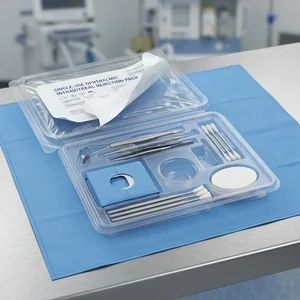
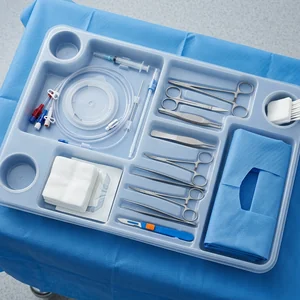
Selected Single Use Surgical products


Related Clinical Guides & Technical Sourcing:
- • Killian Nasal Speculum Sizes, Uses and Hospital Procurement Checklist
- • How to Specify Surgical Instrument Dimensions, Working Ends, Handles and Configurations
- • How to Evaluate a Surgical Instrument Sample Before Approving a Bulk Order
- • Explore Surgivalley ENT & Maxillofacial Sourcing Catalog
- • Explore Custom ENT & Procedural Trays
- • Request Institutional Technical Quotation & OEM Sourcing Catalogue →
Surgical Hook & Retractor Sourcing
Hospital procurement officers, surgical leads, and regional supply chain managers can review technical specifications, passivation certificates (ASTM F899 / ISO 13485:2016), and institutional quotation terms across the official Surgical Retractors & Hooks Range catalog.
Continue with ENT Instruments by Anatomical Category
Use the specialty hub to browse relevant instrument families, live catalogue links and the quote pathway.
Related Posts

Oct 28, 2026 by Dr. Rachel Moore