
 English


A clinical sourcing guide for suture forceps covering atraumatic jaw design, AISI metallurgy standards, ISO 13485 compliance, and total cost of ownership.
Selecting the right suture forceps requires balancing precise tissue handling with long-term durability under rigorous sterilization cycles. Clinical teams must look beyond catalog descriptions to understand how metallurgy and regulatory frameworks impact instrument performance and lifecycle costs.
This guide provides a structured approach for procurement specialists and surgeons to specify instruments that meet atraumatic requirements while ensuring compliance with international quality standards. We examine the technical factors that determine whether an instrument remains functional or degrades prematurely.
Defining Clinical Requirements: Atraumatic Design and Jaw Geometry
The primary function of suture forceps is to hold delicate tissue without causing trauma, which dictates specific geometric features. Smooth jaws are essential for general soft tissue manipulation, whereas serrated or toothed tips provide grip on tougher structures like skin or fascia. Incorrect selection can lead to tissue tearing or slippage during suturing, compromising surgical outcomes.
Clinical teams should define the intended use case clearly before specifying jaw patterns. For vascular surgery, non-toothed, smooth jaws are standard to prevent vessel damage. In contrast, orthopedic or abdominal wall closure may require fine teeth for secure holding power. The width and length of the jaws also influence visibility and access in deep cavities.
- Smooth jaws for vascular and delicate organ tissue
- Fine teeth for skin, fascia, and tough connective tissue
- Narrow profiles for minimally invasive or deep cavity access
- Standard widths for general abdominal procedures
Metallurgy Matters: AISI Standards and Corrosion Resistance
Material composition directly affects an instrument's resistance to corrosion and its ability to maintain edge integrity after repeated autoclaving. Most high-quality reusable surgical instruments are manufactured from AISI 420 stainless steel, known for its balance of hardness and corrosion resistance. However, not all 420 series alloys perform equally under thermal stress.
Procurement specifications should request details on heat treatment processes, as improper tempering can lead to brittleness or excessive flexibility. Instruments made from lower-grade steels may exhibit pitting or rust spots after multiple sterilization cycles, rendering them unsafe for patient use. Verifying the metallurgical grade ensures the instrument withstands the rigors of institutional reprocessing.
- AISI 420 stainless steel is the industry standard for durability
- Heat treatment quality determines hardness and fatigue resistance
- Lower grades may corrode faster under high-temperature steam
- Surface finish impacts both cleanliness and tissue interaction
Regulatory Compliance: Navigating ISO 13485 and CE Class I
Compliance with international quality management systems is non-negotiable for medical device procurement. ISO 13485 certification demonstrates that the manufacturer maintains consistent quality control throughout production. For European markets, CE marking indicates conformity with health, safety, and environmental protection standards, typically classifying basic forceps as Class I devices.
Buyers must verify that suppliers provide valid certificates and declarations of conformity. Documentation should traceable back to the manufacturing batch, ensuring accountability if defects arise. Relying solely on marketing claims without verified regulatory paperwork exposes institutions to liability risks and potential supply chain disruptions.
- ISO 13485 certifies the quality management system
- CE Class I marking confirms EU regulatory compliance
- Request current certificates and Declarations of Conformity
- Ensure traceability from raw material to finished instrument
Autoclave Longevity: Passivation Protocols and Reprocessing Impact
Sterilization via steam autoclaving places significant thermal and chemical stress on metal instruments. Over time, this can degrade the protective chromium oxide layer on stainless steel, leading to corrosion. Proper passivation treatments restore this passive layer, extending the usable life of the forceps and maintaining their hygienic surface properties.
Institutions should inquire about the manufacturer's recommended maintenance protocols. Some instruments require periodic re-passivation by specialized vendors to remove embedded contaminants and restore corrosion resistance. Understanding these maintenance needs helps predict long-term operational costs and prevents premature instrument replacement due to avoidable degradation.
- Steam sterilization accelerates oxidation if surfaces are compromised
- Passivation restores the protective chromium oxide layer
- Regular maintenance extends instrument lifespan significantly
- Improper cleaning residues can cause localized corrosion
Procurement Economics: Calculating Total Cost of Ownership
Initial purchase price is only one component of the financial equation for reusable surgical instruments. Total Cost of Ownership (TCO) includes acquisition, sterilization processing, maintenance, repair, and eventual replacement. High-quality instruments with superior metallurgy often have a lower TCO because they withstand more sterilization cycles before failing.
Comparing single-use versus reusable options requires analyzing volume and waste management costs. While single-use eliminates sterilization labor, it generates significant medical waste and may incur higher per-procedure costs over time. Reusable instruments demand upfront capital but offer economies of scale in high-volume settings, provided they are maintained correctly.
- Include sterilization labor and utility costs in TCO analysis
- Factor in expected number of uses before replacement
- Assess waste disposal fees for single-use alternatives
- Consider repair costs for damaged reusable instruments
Building the RFQ: Essential Specifications for Accurate Quoting
To streamline procurement, create a detailed Request for Quote (RFQ) that specifies jaw geometry, AISI grade, and required certifications. Clearly state the expected sterilization method and volume to help suppliers recommend appropriate models. This precision reduces ambiguity and ensures bids reflect true operational suitability.
By integrating metallurgical science, regulatory verification, and economic modeling into your sourcing strategy, you secure instruments that enhance surgical safety and optimize budget efficiency. Prioritize suppliers who offer transparent documentation and support for long-term instrument care.
Frequently asked questions
What is the difference between smooth and toothed suture forceps?
Smooth forceps are designed for delicate tissues like blood vessels or organs where gripping could cause damage. Toothed forceps feature small spikes or serrations to provide friction against tougher tissues such as skin or fascia, preventing slippage during suturing. Selection depends entirely on the tissue type being handled.
Why is AISI 420 stainless steel preferred for surgical instruments?
AISI 420 offers a favorable balance of hardness, wear resistance, and corrosion resistance compared to other stainless grades. It can be heat-treated to achieve the necessary strength for fine tips while remaining resistant to the harsh conditions of repeated autoclaving, making it ideal for durable reusable instruments.
How does passivation affect the lifespan of forceps?
Passivation removes free iron from the surface and restores the protective chromium oxide layer. This process enhances corrosion resistance, preventing rust and pitting that can harbor bacteria or weaken the instrument structure. Regular passivation maintenance significantly extends the functional life of reusable forceps.
What documents should I request for ISO 13485 compliance?
You should request a copy of the manufacturer's current ISO 13485 certificate and the Declaration of Conformity for the specific product line. Additionally, ask for material test reports confirming the AISI grade and any relevant biocompatibility data if applicable to ensure full regulatory adherence.
Featured Instruments & Sourcing Specifications
Explore hospital-grade surgical instruments and procedural specifications related to this clinical guide. Direct factory RFQ and bulk container orders available.
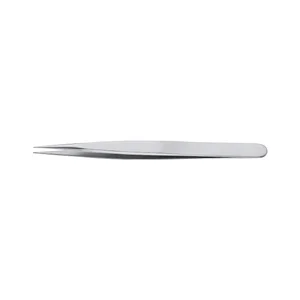
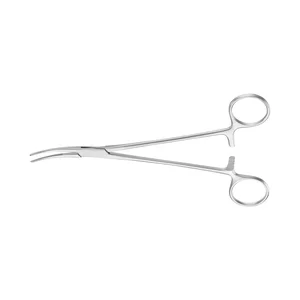
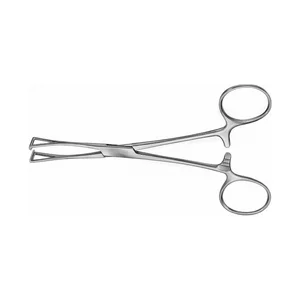
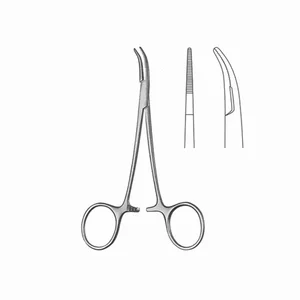
Selected Forceps products
Related Clinical Guides & Technical Sourcing:
- • Tungsten Carbide Needle Holders: Gold Handles, Serrations and ASTM F899 Metallurgy
- • Castroviejo Microvascular Needle Holders: Size and Alloy Guide
- • Why Stainless-Steel Surgical Instruments Rust—and Autoclave Protocols
- • Explore Surgivalley Needle Holders & Suture Forceps Catalog
- • Explore Custom Surgical Sets & Procedural Trays
- • Request Institutional Technical Quotation & OEM Sourcing Catalogue →
Suture Forceps Sourcing & Longevity Guide
Hospital procurement officers, surgical leads, and regional supply chain managers can review technical specifications, passivation certificates (ASTM F899 / ISO 13485:2016), and institutional quotation terms across the official Suture & Dressing Forceps Catalog catalog.
Continue with Cardiovascular & Thoracic Instruments by Family
Use the specialty hub to browse relevant instrument families, live catalogue links and the quote pathway.
Related Posts
Oct 28, 2026 by Dr. Rachel Moore