
 English


Learn how clinical procurement teams can define Bonney forceps, inspect serrations and jaw tracking, request material evidence, and compare samples, reprocessing requirements, and container costs.
Sourcing Bonney forceps requires more than comparing catalogue names or unit prices. Clinical teams need a shared description of the intended pattern, a repeatable inspection method, and purchasing documents that allow suppliers to quote the same requirement. This approach helps separate meaningful differences from variations in terminology, presentation, or packaging.
A practical review should cover the working end, box-lock, finish, material documentation, reprocessing expectations, sample approval, and replacement criteria. The goal is not to assume that one construction is suitable for every service, but to make the decision visible, testable, and consistent across suppliers and future orders.
Define the Bonney Forceps Pattern Before Comparing Quotes
Begin the RFQ with an instrument description that a supplier can interpret without relying on a product photograph alone. Identify the Bonney forceps pattern, intended clinical application, required overall dimensions where applicable, handle configuration, working-end form, and any preferred finish or presentation. If the team has an approved instrument, use it as the reference sample and record the features that must remain unchanged.
Separate mandatory requirements from preferences. A mandatory requirement might be correct pattern identity, smooth operation, complete jaw contact, or no jaw scissor crossover. A preference might relate to finish, packaging, or container configuration. This distinction makes quotation comparisons clearer and gives receiving staff an objective basis for acceptance or rejection.
- Name the required Bonney forceps pattern and intended use category.
- Describe the working end, handle, finish, and dimensional requirements that matter to the service.
- State whether a reference instrument or pre-production sample must be approved.
- Separate acceptance requirements from negotiable preferences.
- Ask suppliers to identify any proposed deviation rather than silently substituting an alternative pattern.
| RFQ element | What to define | Why it matters |
|---|---|---|
| Pattern | Instrument type, working-end form, and reference sample | Reduces ambiguity between similarly named forceps |
| Performance fit | Jaw contact, tracking, lock operation, and crossover requirement | Creates observable acceptance criteria |
| Documentation | Material and reprocessing information required with the quotation | Supports technical review before purchase |
| Supply format | Individual instruments, trays, or container configuration | Allows meaningful cost comparison |
Inspect Serrations, Jaw Tracking and Box-Lock Alignment
Serrations should be reviewed as a working surface rather than treated as a decorative detail. Inspect whether the pattern is consistent across the intended contact area, whether edges appear damaged or excessively sharp, and whether the two jaws meet as expected when the instrument is closed. The review should be performed under suitable lighting and recorded against the approved sample or written specification.
Open and close the forceps through their normal range without forcing the handles. Look for smooth movement, consistent jaw tracking, and a box-lock that appears properly aligned. The jaws should meet without visible lateral displacement or scissor crossover. If the instrument includes a ratchet or locking feature, confirm that it engages and releases in a controlled manner appropriate to the approved design. These checks are procurement acceptance checks, not a substitute for clinical or reprocessing policy.
- Review serration consistency across the complete intended contact area.
- Check for burrs, damaged teeth, uneven finishing, or contamination.
- Close the jaws gently and confirm expected contact and tracking.
- Reject visible jaw scissor crossover against the approved requirement.
- Inspect box-lock alignment for smooth movement and abnormal play.
- Record findings with the sample identification and reviewer name.
Request Material and Metallurgy Evidence Without Guessing
A supplier should be able to identify the material specification or material family used for the instrument and explain which documents accompany the quotation or approved sample. Buyers should not infer metallurgy from colour, polish, weight, or a generic statement that an instrument is surgical grade. Request the level of documentation required by the organisation's technical and quality procedures, then check that the document applies to the quoted instrument rather than to an unrelated product family.
Material evidence is most useful when linked to traceability and change control. Ask how the supplier identifies production batches, manages material or process changes, and communicates substitutions that could affect inspection or reprocessing. The exact documents will depend on the organisation's policy and the supplier's quality system, so the RFQ should state what is mandatory before award and what may be supplied with the first shipment.
- Request the stated material specification or material family for the quoted pattern.
- Ask which supporting documents are available and whether they apply to the exact instrument.
- Clarify batch, lot, or production traceability expectations.
- Require advance notice of material, finish, or process substitutions.
- Avoid treating appearance alone as proof of composition or durability.
Build Reprocessing, Sample and Container Checks Into the RFQ
Autoclave longevity should be evaluated as part of the complete instrument lifecycle, not promised through a vague durability claim. Ask the supplier to provide applicable cleaning, inspection, packaging, and steam-sterilisation information for the instrument. The clinical team should then compare that information with its own validated reprocessing policy and equipment instructions. Do not add cycle parameters to an RFQ unless they have been established by the responsible reprocessing authority.
Approve a representative sample before committing to a repeat supply programme. The approval record can capture pattern, dimensions, serration condition, jaw tracking, box-lock movement, finish, markings, packaging, and supplied documents. For container purchasing, compare the number of instruments required, usable capacity, identification method, handling requirements, replacement parts, and cleaning workflow. A lower container price may not represent lower total cost if the configuration creates unused capacity, extra handling, or more frequent replacement.
- Request supplier reprocessing and sterilisation information for the quoted pattern.
- Have the responsible reprocessing team confirm compatibility with local policy and equipment.
- Use a signed sample approval record before repeat purchasing.
- Compare container capacity, loading plan, identification, handling, and replacement requirements.
- Calculate total procurement cost using purchase, review, handling, maintenance, and replacement considerations.
- Define how nonconforming instruments and future substitutions will be managed.
Turn the Review Into a Repeatable Specification
A strong Bonney forceps specification connects pattern identity with observable acceptance checks. It should make atraumatic serration requirements clear, require precise box-lock alignment, exclude jaw scissor crossover, and identify the material and reprocessing evidence needed for review. Sample approval then gives the clinical and procurement teams a shared reference for future deliveries.
Before requesting final quotations, align the RFQ with the organisation's clinical, quality, and reprocessing authorities. Compare suppliers on the complete requirement rather than unit price alone, including documentation, sample conformity, container economics, and replacement expectations. This creates a more defensible sourcing decision and a clearer receiving process.
Selected ENT and Maxillofacial products
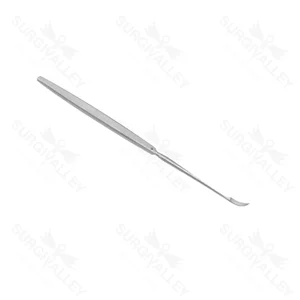
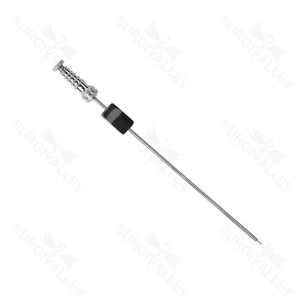
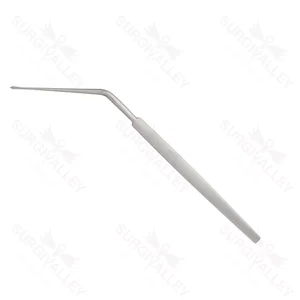
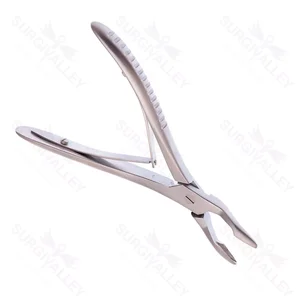
Frequently asked questions
What should a Bonney forceps RFQ include?
Include the required pattern, working-end description, dimensions where relevant, finish or marking requirements, inspection criteria, documentation expectations, reprocessing information, sample approval process, packaging, delivery assumptions, and replacement or nonconformance terms. State which requirements are mandatory so suppliers cannot interpret preferences as substitutions.
How can a team assess atraumatic serrations?
Inspect the complete contact area under suitable lighting. Look for a consistent serration pattern, undamaged edges, clean finishing, and expected jaw contact when closed. Compare the sample with the approved reference and record any visible defect or mismatch. The final acceptance threshold should be agreed by the responsible clinical and quality reviewers.
What does correct box-lock alignment look like?
The box-lock should operate smoothly through its normal range without abnormal stiffness, looseness, or visible misalignment. When the jaws are closed, they should track and meet as specified, without jaw scissor crossover. Use the approved sample and written criteria as the reference rather than relying on a general impression or supplier terminology.
How should container costs be compared?
Compare more than the purchase price. Review usable capacity, instrument count, loading efficiency, identification, handling, cleaning workflow, maintenance, replacement components, and expected replacement needs. Consider whether the container configuration creates unused space or additional work. A total-cost view helps procurement teams compare different supply formats on a consistent basis.
Surgical Forceps Procurement & Pattern Specifications
Hospital procurement officers, surgical leads, and regional supply chain managers can review technical specifications, passivation certificates (ASTM F899 / ISO 13485:2016), and institutional quotation terms across the official Surgical Forceps & Clamping Instruments catalog.
Sources
Related Posts

Oct 28, 2026 by Dr. Rachel Moore